

There’s a moment in every project where things go sideways.
Not dramatically. Not immediately. But subtly… expensively… and permanently.
It usually starts in a showroom…why?
You’re holding a sample. It’s perfect. The lighting is perfect. The display is perfect. The salesperson is nodding. You’re nodding. Everyone’s feeling very confident. That’s exactly when the mistakes begin because the showroom and your space are very different.
That’s where i come in…
Let’s talk about the big three things to watch out for…because I promise you, I’ve seen all of them. More than once. More than I’d like to admit.
1. Choosing Tile Like It’s Art (Instead of Something You Have to Live On)
I get it.
You fall in love with a tile. It’s beautiful. It’s dramatic. It’s so you.
But here’s the problem: your shower floor does not care about your aesthetic.
Polished marble? Gorgeous. Also slippery.
Handmade zellige? Stunning. Also uneven.
That super trendy matte finish? Love it. Also might show every footprint, splash, and life decision you’ve ever made.
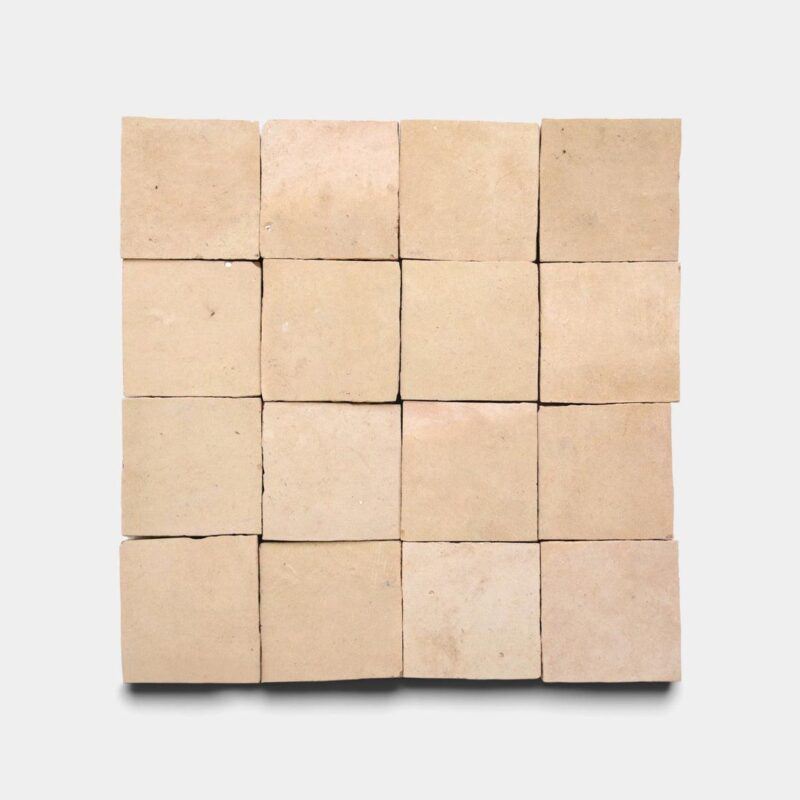
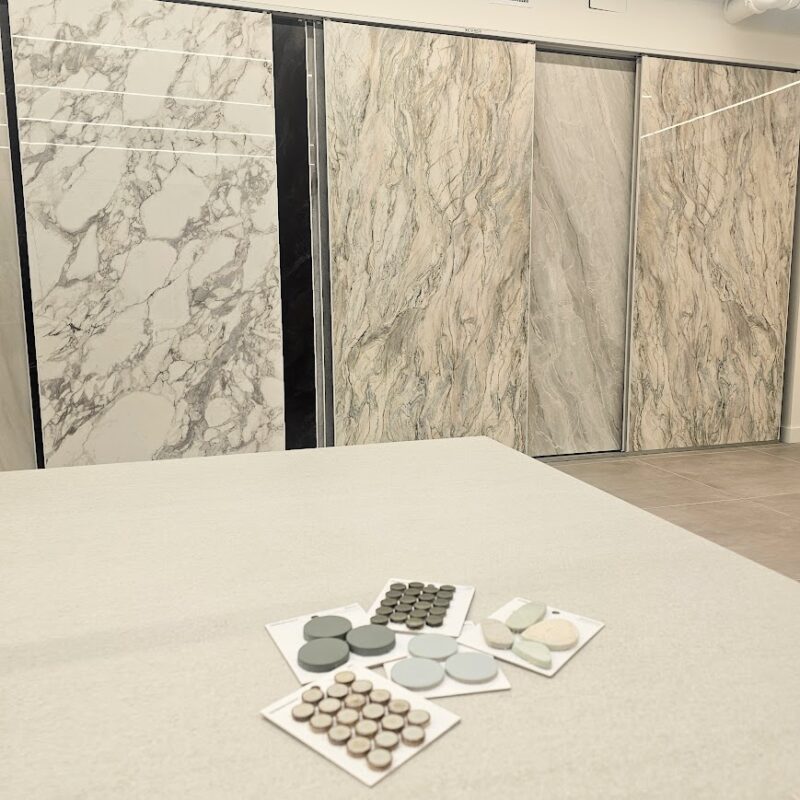
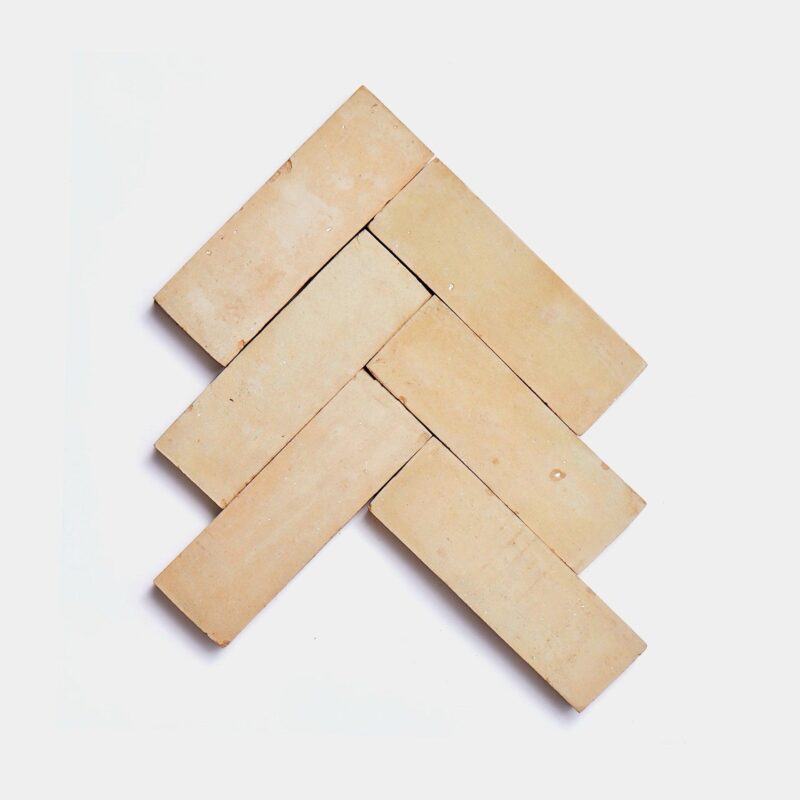
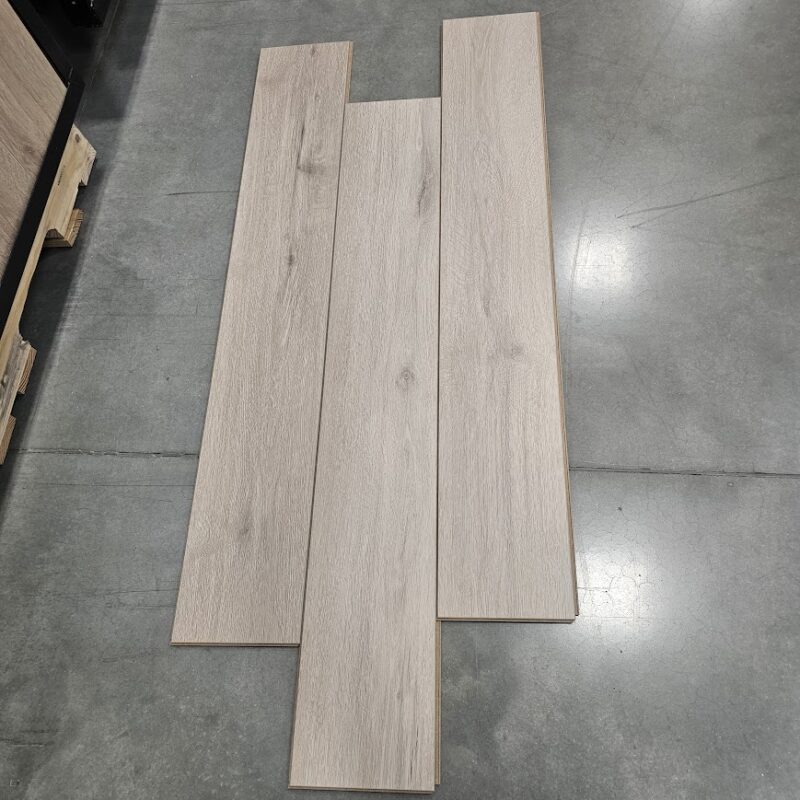
Tile is not just a look—it’s a surface.
It has a job.
Before you commit, ask yourself:
- Is this going on a floor, wall, or wet area?
- Will this be walked on daily?
- Does it need slip resistance?
- Will it show wear… immediately?
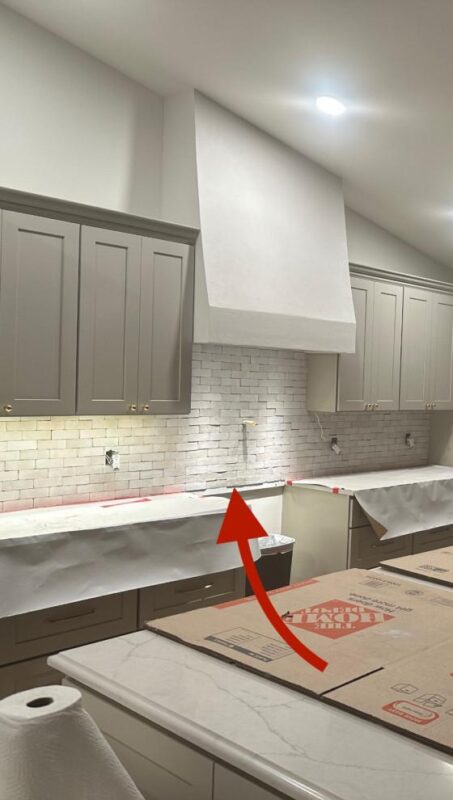
Because nothing kills a “dream design” faster than a client texting:
“Why does my floor feel like an ice rink?”
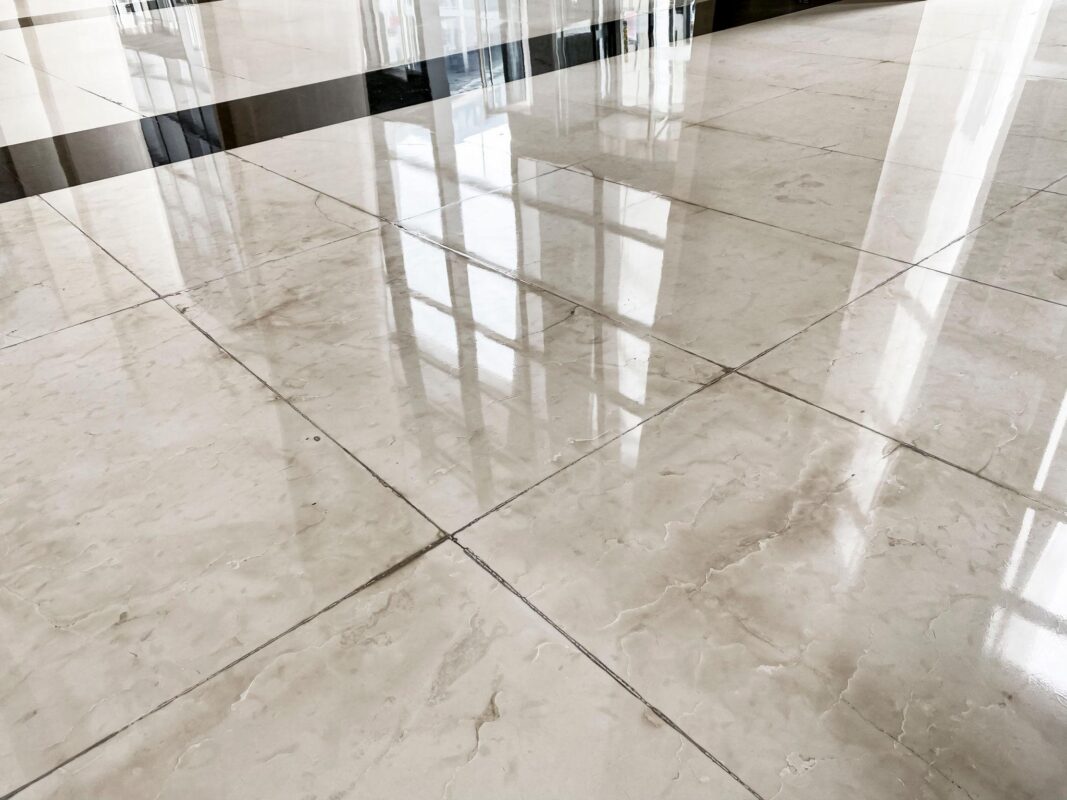
2. Ignoring Grout Like It’s Not About to Ruin Everything
Grout is the quiet little detail that people treat like an afterthought.
And then… it becomes the entire design.
You pick a beautiful tile. You install it. And suddenly:
- The pattern looks completely different
- The tone feels off
- The whole thing reads busy instead of calm
- Or worse… it looks like a grid you didn’t sign up for
Because grout color changes everything.
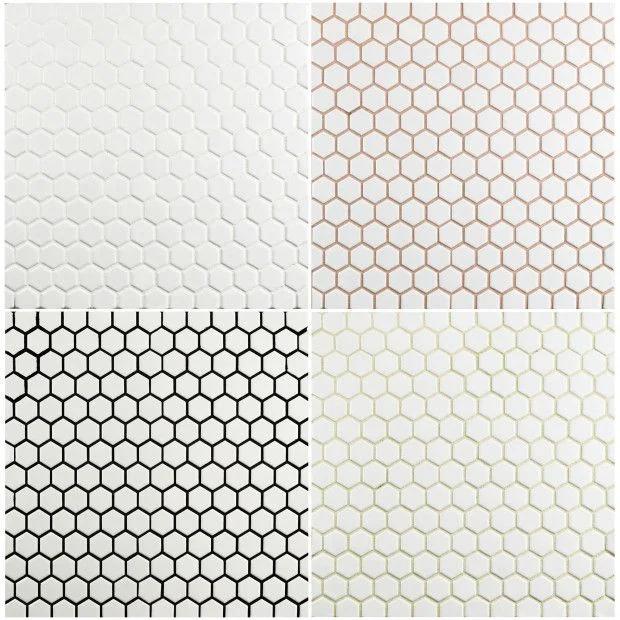
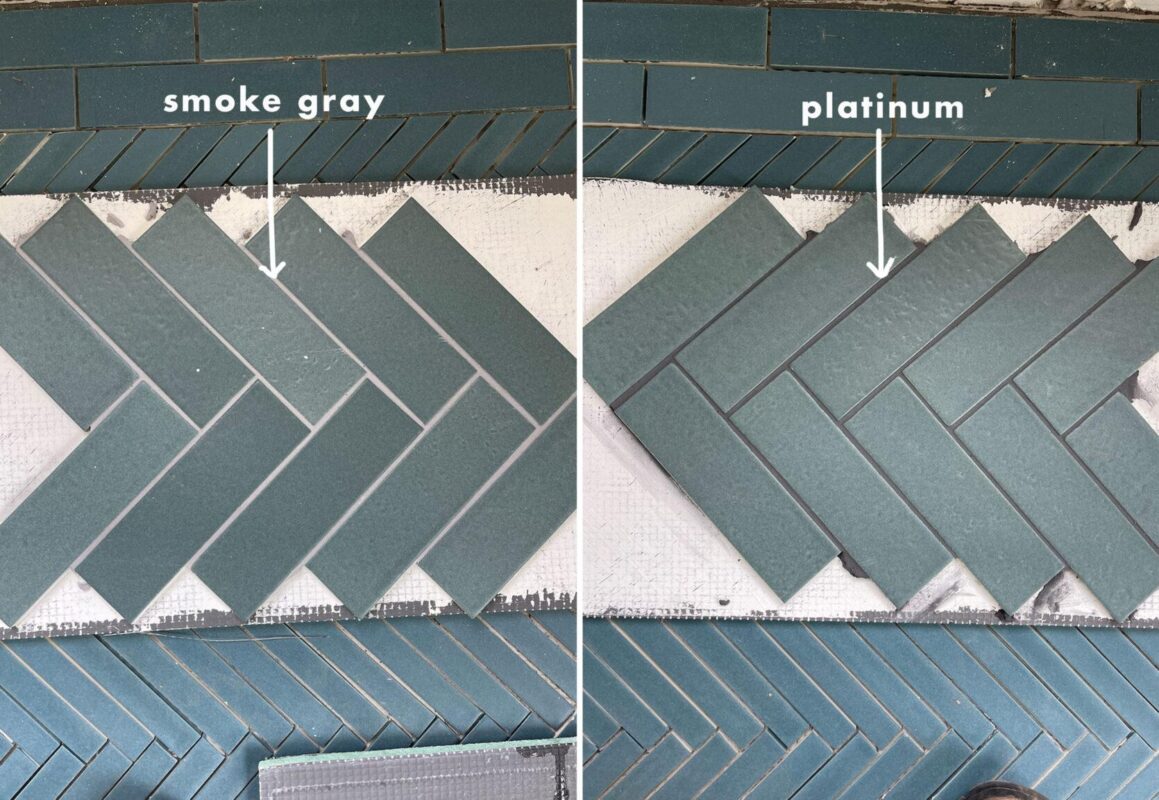

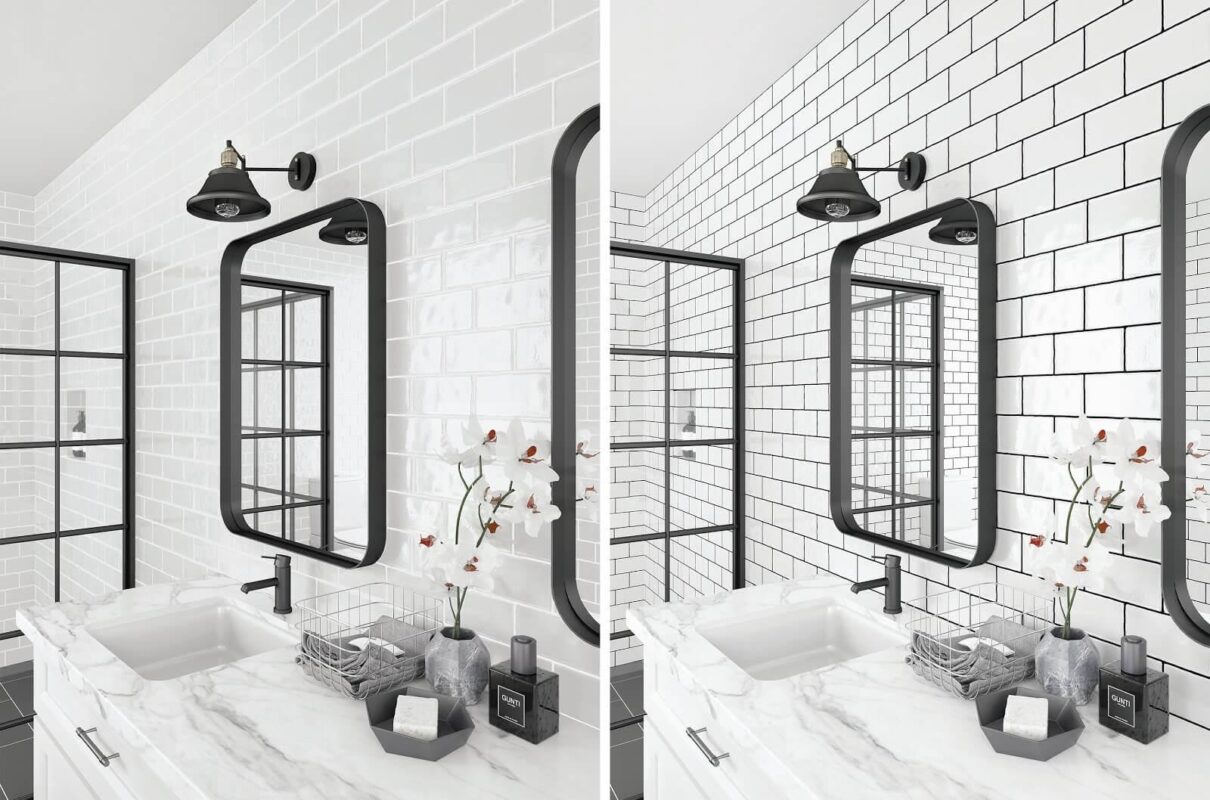
Let me say that again:
Everything.
Light grout = contrast + pattern
Dark grout = drama + definition
Matching grout = seamless + calm
And yet… this decision is often made in about 14 seconds.
If you do one thing right—test grout with your tile.
Not in your head. Not in the showroom.
In your space.
Because grout is not a supporting actor.
It’s co-starring whether you like it or not.
3. Ordering “Exactly What You Need” (A Bold Strategy)
This one is my personal favorite.
“I measured. We’re good.”
No… we’re not.
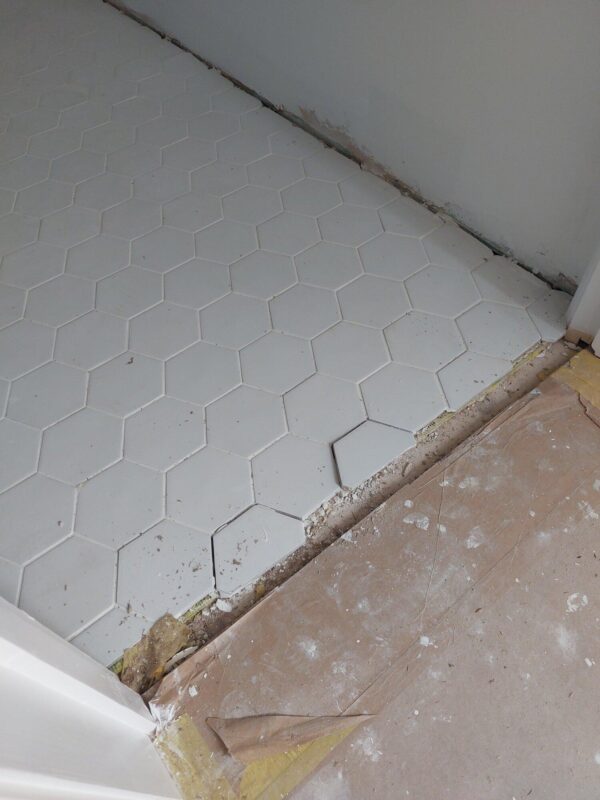
Tile and stone are not perfect little math problems.
They chip. They break. They vary. Installers cut things. Sometimes wrong. Sometimes twice.
And then suddenly:

- You’re short
- The dye lot is gone
- The slab you loved is no longer available
- And now we’re trying to “make it work”
We don’t “make it work.”
We plan for reality.
Order extra. Always.
- Tile: 10–15% minimum
- More if it’s a pattern, diagonal, or anything remotely custom
- Stone: make sure slabs are reserved—not “available”
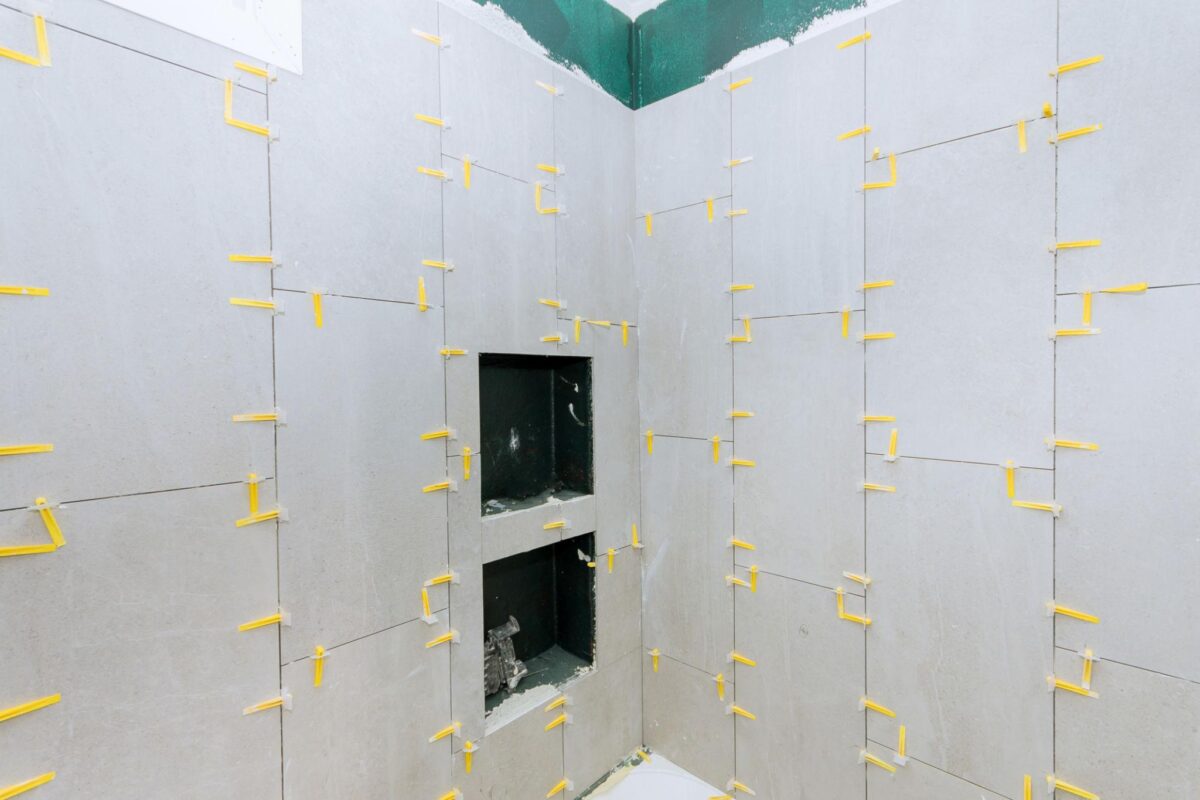
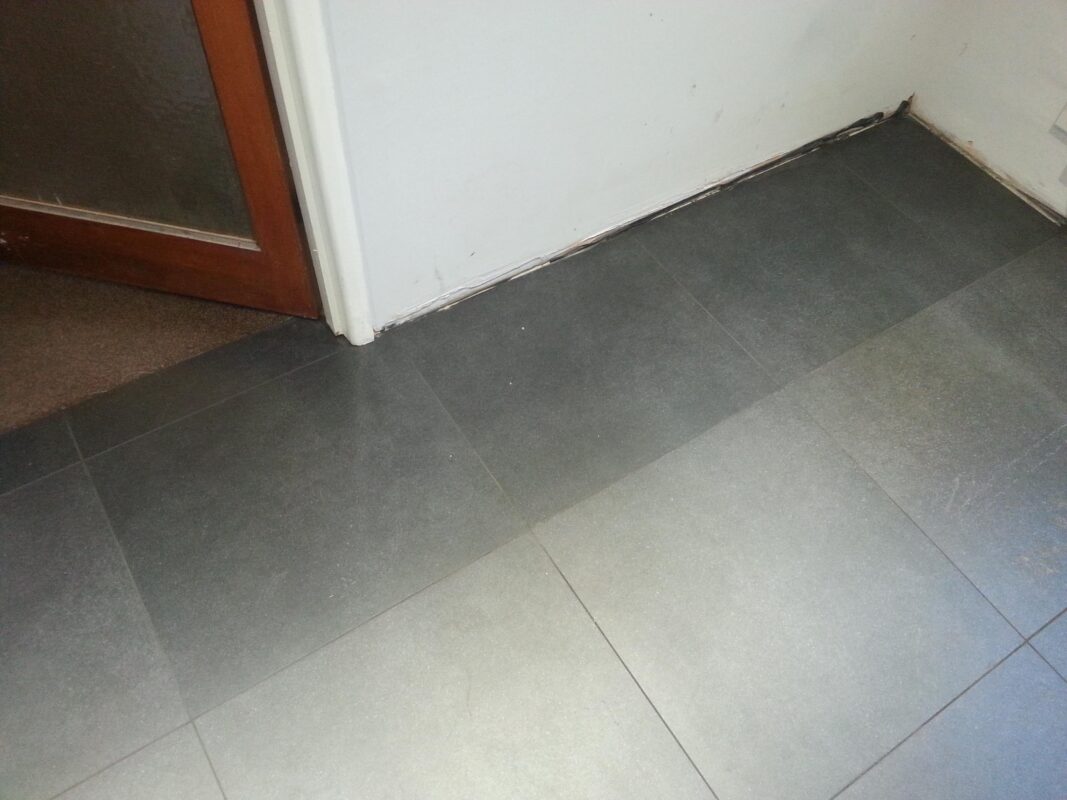
Because nothing—and I mean nothing—feels worse than having a nearly finished space… and no way to complete it correctly.
The Bonus Mistake (Because I Can’t Not Say It)
Skipping samples.
This is the one that quietly causes all the others.
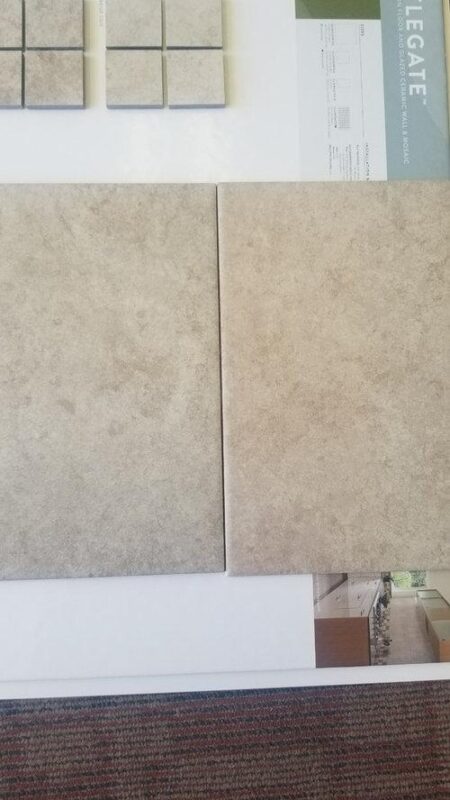
Showroom lighting is a liar.
Your home lighting is… very honest.
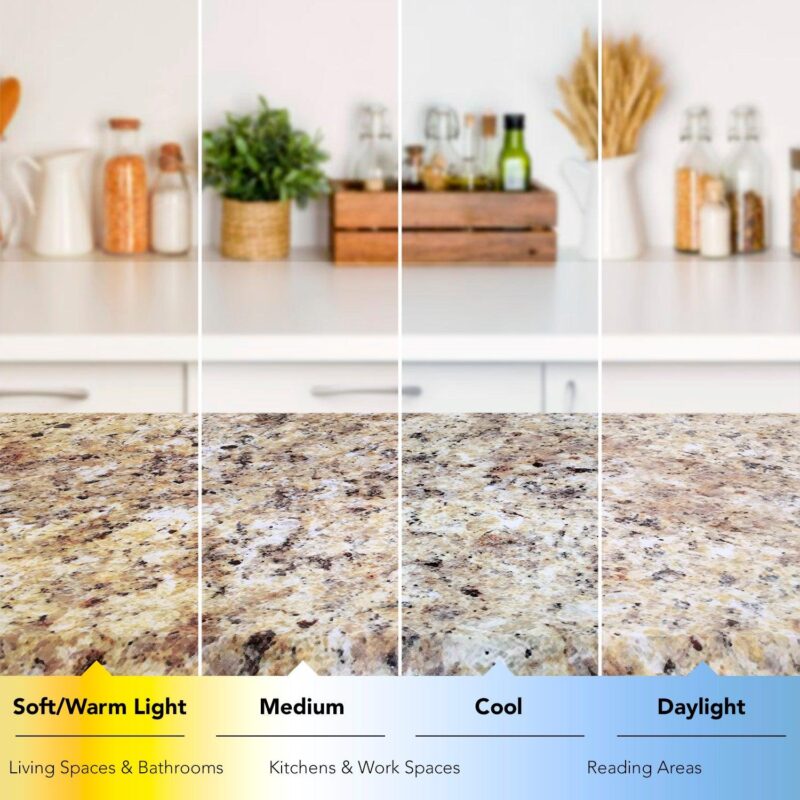
That warm neutral you loved? Might go pink.
That soft gray? Suddenly blue.
That “perfect” stone? Looks completely different next to your cabinets.
Samples are not optional.
They are the difference between confidence and regret.
Final Thought (From Someone Who Has Seen It All)
Good design is not about picking what looks best in the moment.
It’s about making decisions that still feel right after installation… after use… after life happens.
This is where most people get stuck.
Too many options. Too many opinions. Not enough clarity.
And honestly?
This is the part I love.
Because when you strip it all back, it’s not about trends or overwhelm or 47 Pinterest boards…
It’s about making it make sense.
—
If you’re staring at samples, second-guessing everything, or trying to figure out what actually works in your space…
Let’s Talk About Slabs… (a Different Level of Commitment)
Because slab mistakes?
They’re quieter. More expensive. And somehow more permanent.
1. The Seam Nobody Told You About
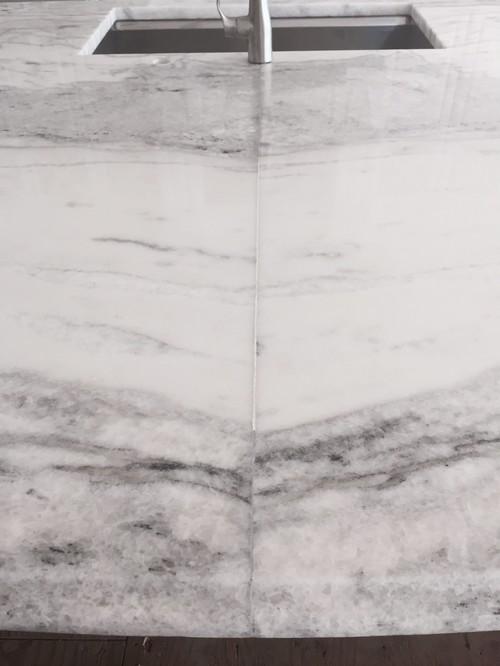
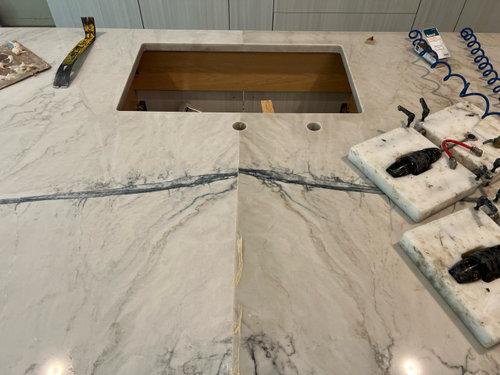
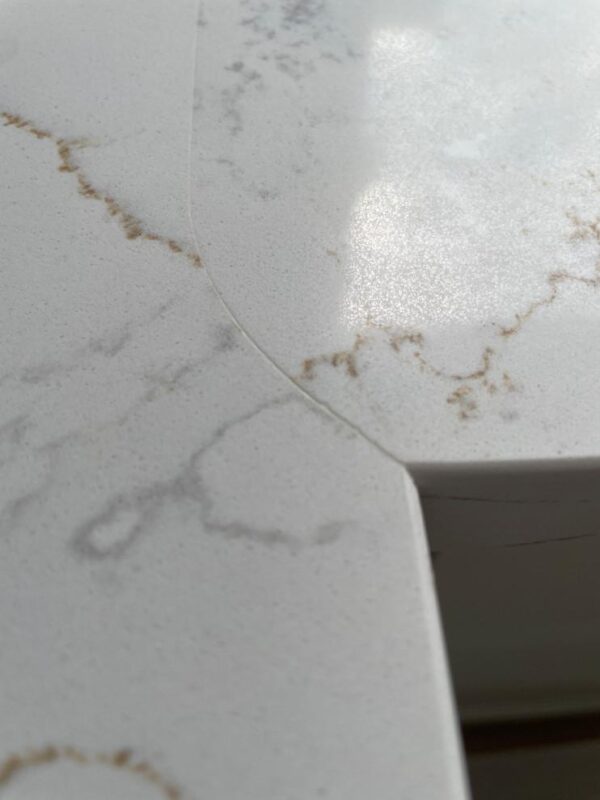
You thought you were getting one seamless slab…
You got two slabs meeting each other like strangers.
Slabs are not infinite pieces.
Seams are normal. Required, even.
And veining?
It will never match perfectly.
This is one of those “no one told me this” moments that somehow shows up after install… not before.
Always know everything about your install before it happens!
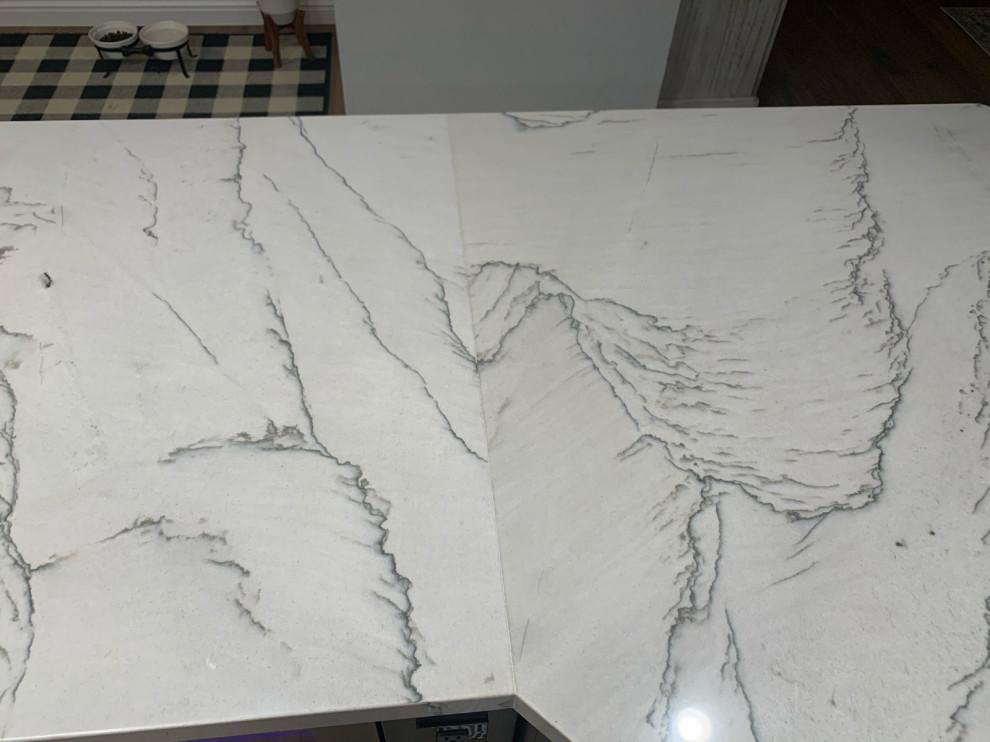
2. The Vein That Doesn’t Line Up (and Now You Can’t Unsee It)
We aligned it as best as humanly possible.
The stone… had other plans.
Even when slabs are “bookmatched,” cutting removes material.
Patterns shift. Slightly. Just enough.
And now?
You see it every time you walk in the room.
3. Lippage (That Slight Edge You Feel Every Time)
It looks fine… until you touch it.
And then you will never stop touching it.
One slab sits slightly higher than the other.
Not because anyone did anything wrong—because:
- Stone varies
- Cabinets aren’t perfect
- Houses… definitely aren’t perfect
But your hand will find it. Every time.
4. The “Wrong Slab” Problem (Yes, They’re All Different)

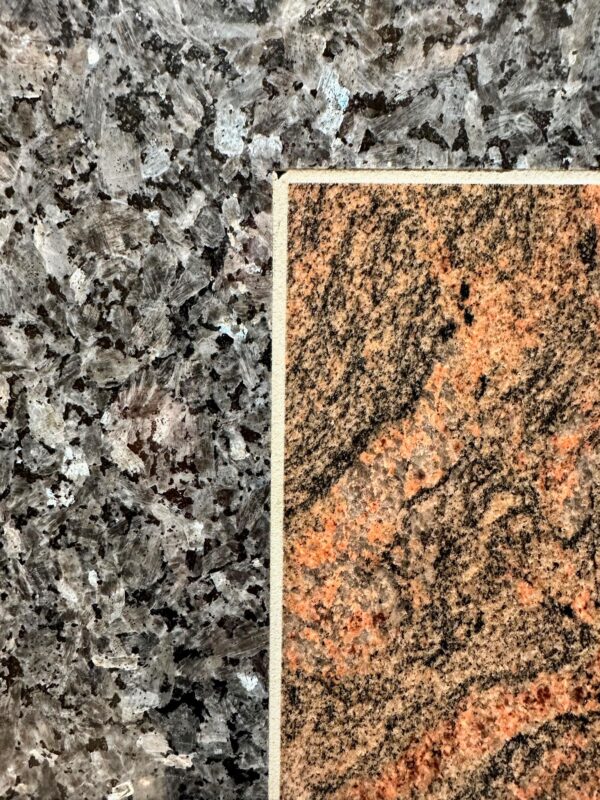
You picked a sample.
You received a completely different personality.
Same material does not mean same look.
Color shifts. Veining changes. Movement varies.
This is why slab selection in person matters.
Not “something similar.”
The actual slab.
5. Cracks, Fissures & “Is That Supposed to Be There?”
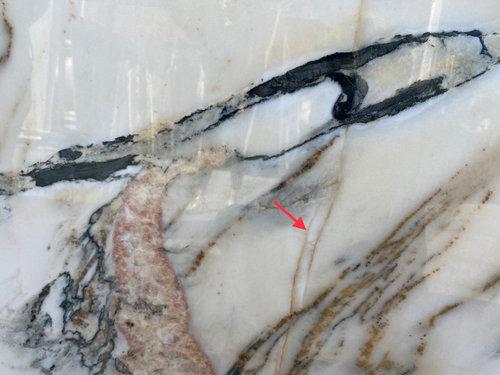
It’s not damaged.
It’s natural.
There’s a difference… but you should know it before installation.
Natural stone comes with:
- Fissures
- Resin fills
- Imperfections
All normal.
All part of the material.
Just not always expected.
Tile and Stone is amazing and one of my favorite products…the choices are endless! Just be smart in your choices and watch the project all the way through.
Questions? Just reach out…I’m always glad to help!
Carrie
XOXO